
Classic 13-card rummy
Rumble Rummy App – Lobby, Wallet and File Record
Rumble Rummy is classified here as a Classic 13-card rummy client. The searches around it centre on “rumble rummy yono”, “rummy rumble 51 bonus” and “all yono store rumble rummy”, and the page follows the same order: tables, credit, cashier. The page is consumer documentation: no offer, no advertisement.
File facts
- Format family
- Classic 13-card rummy
- Format variant
- Rummy plus arcade grid
- Wallet structure
- Separate bonus wallet (category pattern)
- Advertised claim
- ₹95 †
- Stated minimum payout
- ₹100 † (category)
Screenshots
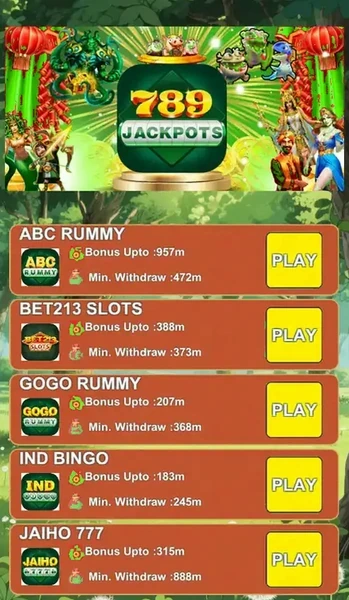
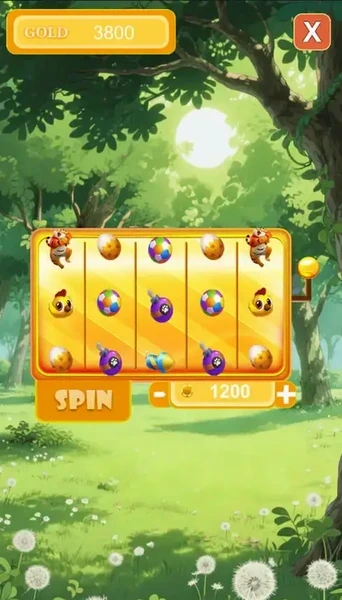
Inside the 13-card client: tables, controls and the drop price
The core format is thirteen cards per player, a closed deck, an open discard pile and a meld requirement. A valid declaration needs two sequences, at least one without a joker. Points are counted on the cards still in hand, which is why the drop decision is made before the hand is complete instead of after.
A drop is a priced exit. The earlier it is taken, the lower the charge; the later, the closer it is to the cost of a lost hand. Because the pricing differs between clients, the rules panel is the only reliable source for the numbers on a given table.
The lobby is a tabbed list instead of a single queue: points tables, pool tables, deals and practice, usually filtered by entry band and seat count. The cashier sits one level above the tabs, which is why a deposit prompt can appear before a player has chosen a format.
Why advertised bonus amounts vary across listings and how promo codes work
A credited amount is not a withdrawable amount. Clients in this category keep promotional credit in a separate bonus wallet, and the cashier reads only the withdrawable side. Because both figures often share one header, the separation is easy to miss until a payout is requested.
Four credit mechanisms recur across these listings: mobile OTP binding, a daily check-in streak, a VIP tier rebate and a referral commission. Each carries a release condition the listing usually omits, and none is confirmed for this build.
The lock is expressed as a turnover multiple. A credit with a multiple attached has to be cycled through the lobby that many times before any part of it can be released. The multiple is rarely printed next to the credit figure.
Amount variance across listings is normal in this category. One page says ₹51, another says ₹41, a third quotes a range. The reconciling fact is that the credit is issued by a server-side campaign, not fixed in the APK.
- Mobile-number binding (OTP): the number becomes the account identity and the payout reference.
- Daily check-in credit: a streak counter that issues promotional credit, usually with a short expiry.
- VIP or tier rebate: a percentage returned on activity, paid in bonus credit instead of cash.
- Refer and earn: a capped commission tied to a qualifying action by the invited account.
Withdraw tab: destination fields and the review states
Money enters through one tab and leaves through another. The inbound tab is the payment surface that makes the product a money game under the 2025 Act; the outbound tab is the one users search about. Both are documented here as interfaces, not as instructions.
A payout can arrive smaller than requested. The usual reasons are a processing or gateway fee deducted before transfer, and promotional credit that is cancelled when a withdrawal is made. Neither deduction is itemised on the withdraw tab.
Payout fraud borrows the language of the cashier: release charge, clearance tax, account activation. None of these is a real step. The tell is direction of money: a genuine payout moves money to the user; a fraud asks the user to move money first.
- Turnover: check whether bonus credit still has an unmet multiple.
- Name match: compare the app profile, the KYC record and the bank account name.
- Device link: a second account on the same handset can freeze both balances.
- Rail status: IMPS and NEFT settle on different clocks.
Variant naming: what the number after the brand means
A family name is not a publisher. The Yono/777 cluster contains unrelated packages that reuse a lobby design, which is why the same query returns several apps that look alike and behave differently at the cashier.
Numbers after the brand — 777, 567, 365, 91 — usually denote a variant, a campaign or a rebrand instead of a version. The same number can appear in unrelated families. It is a label with no version-code meaning, and it changes nothing about the install.
What the file record can and cannot tell you
The version name on the about screen is a label; the version code is the number the installer uses. Two listings can advertise the same name and ship different codes. When the code is lower than the installed one, Android refuses the file unless the existing app is removed first.