

Classic 13-card rummy
Rummy Gold APK: Lobby Structure, Bonus-Wallet Terms and Cashier Record
Rummy Gold is classified here as a Classic 13-card rummy client. The searches around it centre on “rummy gold 51 bonus”, “gold rummy yono” and “gold rummy card”, and the page follows the same order: tables, credit, cashier. The page is consumer documentation: no offer, no advertisement.
File facts
- Format family
- Classic 13-card rummy
- Format variant
- Rummy plus arcade grid
- Wallet structure
- Separate bonus wallet (category pattern)
- Stated minimum payout
- ₹100 † (category)
- Package
- com.teenpatti.hd.gold.rummy
Screenshots


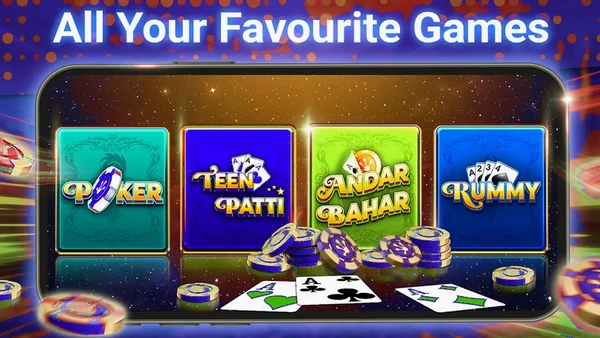
Points, pool and deals: what the lobby actually lists
Thirteen cards, one draw and one discard per turn, and a declaration that has to satisfy a sequence rule before anything else counts. The interface gives the player a sort control and a joker indicator; the rules behind them are what make the format a skill exercise instead of a card draw.
The drop control ends a hand early at a fixed penalty. A first drop before the first draw is the cheapest; a middle drop costs more; a full drop after the hand is under way costs most. The button is deliberately prominent, because the penalty is lower than a badly timed declaration.
Lobby tabs separate formats, and each tab carries its own entry bands and table list. The structure matters because a player looking for pool can land in a points queue if the filter is not read. The cashier is a separate surface, not part of the table list.
- Rules panel: scoring, drop cost and limits are stated per table.
- Mode label: the tile name describes a rule set, with no verified inventory.
- Table limit: the cap is shown before the first hand is dealt.
- Cashier separation: funding sits outside the table list, on its own surface.
The listing name shares its tokens with Gold Rummy, which appear as separate records in this index. They are treated as separate builds and compared by package, not by name.
Measured file facts: package com.teenpatti.hd.gold.rummy. They sit here because the identity checks below depend on them, not because they describe the lobby.
Promo codes, campaign credit and why the same label differs between listings
A credited amount is not a withdrawable amount. Clients in this category keep promotional credit in a separate bonus wallet, and the cashier reads only the withdrawable side. Because both figures often share one header, the separation is easy to miss until a payout is requested.
Mobile OTP binding, daily check-in, VIP tier rebates and referral commissions are the four entry points that appear repeatedly in this category. Their conditions differ, and the pattern does not confirm what this build exposes.
Promotional credit normally expires. The clock can run from issue, from the first use, or from the end of a promotion window, and expiry is often applied without a notification. Expired credit disappears from the balance instead of converting to cash.
The evidence that helps in a bonus dispute is the published claim, the date it was read and the account state at registration. Without them, the complaint becomes a memory contest. The 2026 framework gives users a grievance route, but it works better with documents.
- Withdrawable cash: the only balance the cashier treats as payout money.
- Promotional credit: ring-fenced for in-app use, with turnover and expiry attached.
- Referral ledger: commission tracked separately and paid on a schedule.
- Forfeiture on withdrawal: unconverted credit can be cancelled when a payout is processed.
What the cashier shows, and what it withholds
The cashier is normally two tabs: a deposit side and a withdraw side. The withdraw side asks for a payment destination and states a minimum. The deposit side is where the wallet becomes a money game in the sense of the 2025 Act, because a payment is made in expectation of a return.
A payout passes through labels instead of stages: Requested, Processing, Under Review, Paid or Rejected. “Processing” can mean a queued transfer, a pending turnover check or a manual review, and the label does not distinguish them. That ambiguity is the single most reported cashier complaint.
The gap between requested and received is usually a fee or a forfeiture. A gateway charge is taken before the transfer; a bonus balance is written off when the payout is processed. Only a statement, where one exists, shows which happened.
One family, many packages: how to tell variants apart
A family name is not a publisher. The Yono/777 cluster contains unrelated packages that reuse a lobby design, which is why the same query returns several apps that look alike and behave differently at the cashier.
The number in a variant name is decorative. It distinguishes listings, not builds. When two apps differ only by a suffix, the package string is the only reliable way to tell them apart.
The install side: file, format and the platform claims
The version name on the about screen is a label; the version code is the number the installer uses. Two listings can advertise the same name and ship different codes. When the code is lower than the installed one, Android refuses the file unless the existing app is removed first.